

The advent of virtualisation has significantly changed the way we use IT infrastructure. In theory, the ability to share single server resources to run multiple isolated operating systems provides flexibility and promises easy operations. However, in practice, managing virtualised infrastructure can be quite expensive and complex as a res

The snapcraft CLI has supported building ROS1 snaps for a while via the catkin plugin. We supported the ROS2 betas via the ament plugin, but that was before Open Robotics had a ROS2 package repository setup, which meant that the ament plugin built the ROS2 underlay from source, and it was predictably dreadfully slow. However,

February 28, 2019 – Canonical today announced support for containerd in its 1.14 releases of Charmed Kubernetes and Microk8s, improving security and robustness. “Containerd has become the industry-standard container runtime focused on simplicity, robustness and portability.” said Carmine Rimi, product manager for Kubernetes at Canonical.

A reliable data backup plan should be an integral part of everyone’s software arsenal. If you accidentally delete your files, or something goes wrong in your setup, you will have your data safely stored in another location. This will allow you to recover quickly and resume working. Likewise, if you suffer a hardware failure or
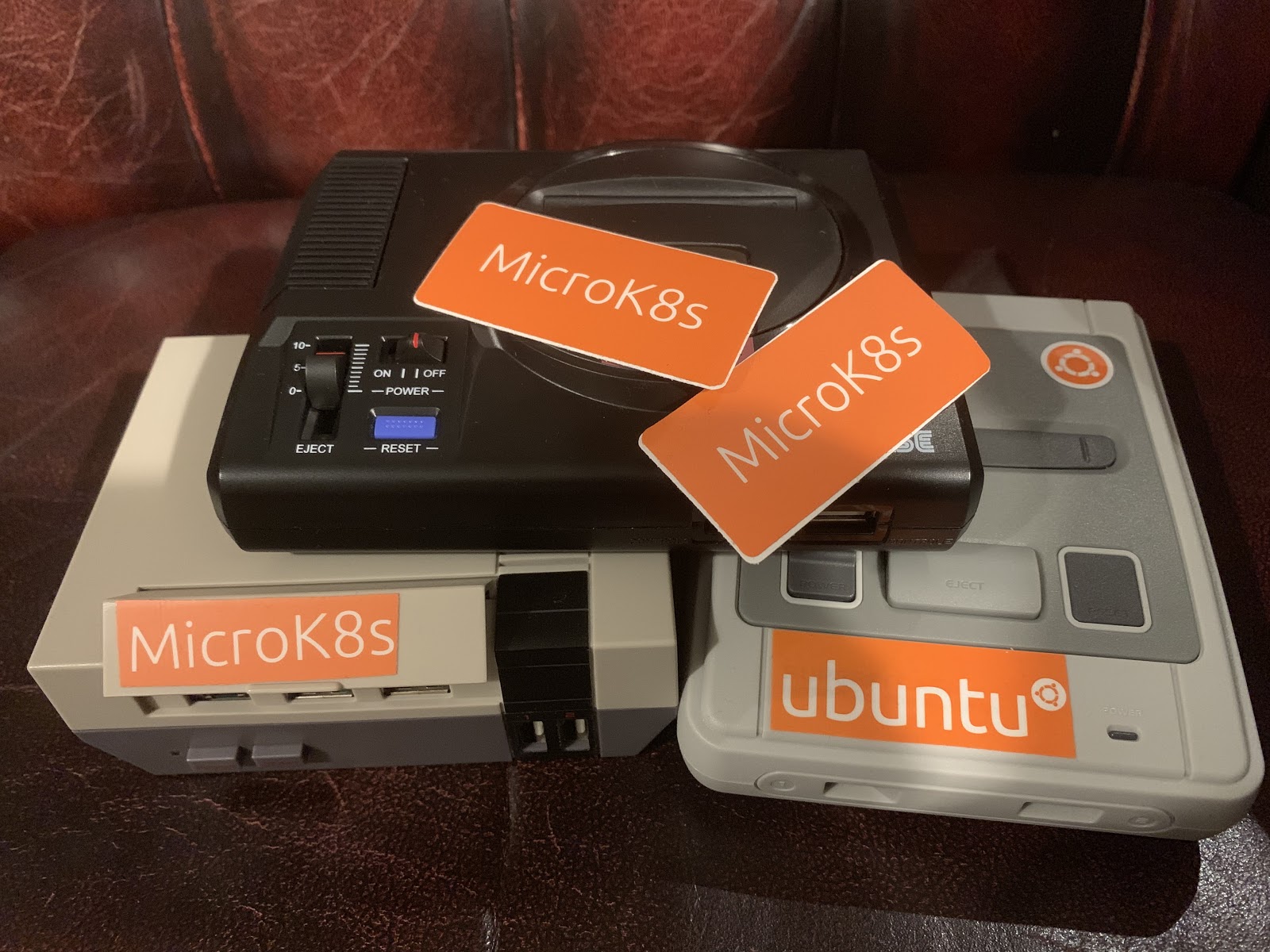
Introduction The goal of this blog post is to explain how to setup and run Ubuntu Server on a Raspberry Pi with MicroK8s on-top to provide a single-node Kubernetes host for development and testing. In the last few months Ubuntu Server 18.04 has been ported to run the Raspberry Pi 2/3 which means we can
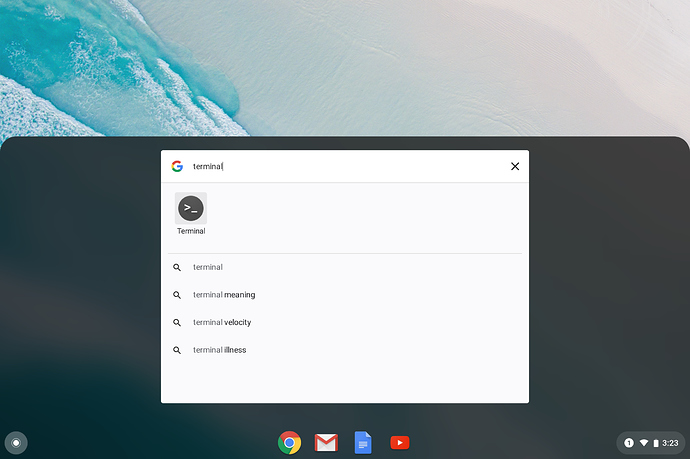
Introduction On supported Chromebook, starting with Chrome OS 69, a new feature called Linux Apps was introduced. This allows Chrome OS users, on supported to install normal Linux applications from the Debian repository and have them integrate with the underlying Chrome OS desktop. The feature has evolved quite a bit since its introductio

Canonical has received Common Criteria EAL2 certification. The evaluation covers a fresh install of Ubuntu 16.04.4 LTS on one of the supported platforms listed in the certification report. Common Criteria (CC) for Information Technology Security Evaluation is an international standard (ISO/IEC IS 15408) for Computer security certification

Security remains the number one concern when designing and deploying IoT devices. High profile breaches continue to occur and concerns cease to subside. For any organisation, security needs to be front of mind and considered from the start – not as an afterthought. Having no mechanism in which to address security concerns can be as

Newsletter signup

EdgeX Foundry is now available as a snap, making it available to millions of Linux users and developers via the ever-expanding Snap Store. EdgeX Foundry is a vendor-neutral open source project hosted by The Linux Foundation building a common open framework for IoT edge computing. EdgeX provides the ability to extract data from a multitude

Snapcraft squad Report a Snap Last year, a snap was found in the Snap Store using computing resources for bitcoin mining without user consent. This software was retired from the Store after further investigation and highlighted the need for snapcraft.io users to report potential snaps violating trademark, copyright or terms and conditions
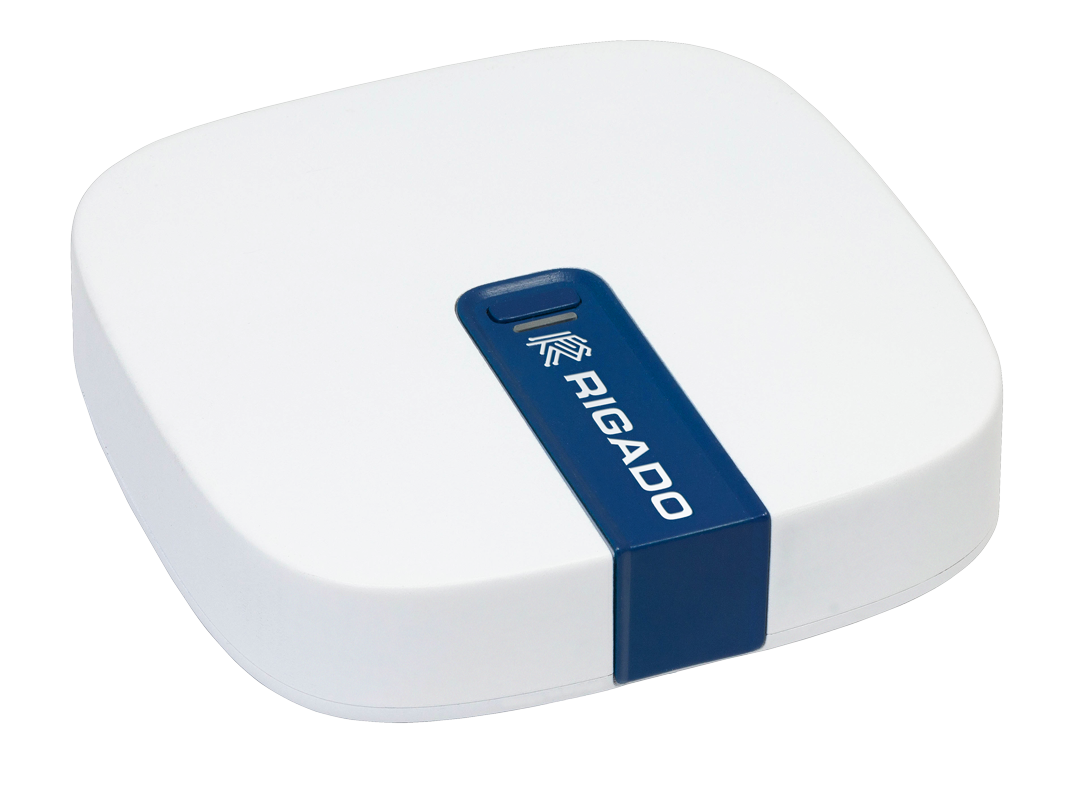
With a proliferation of related hardware, software and solutions being rushed out to capture the promise of a multi-billion dollar IoT industry, vendors are under pressure to decrease their development time and speed up their time to market. Choices such as selecting the right infrastructure from the outset become even more important duri

My current job involves me mostly working in the upper layers of the desktop software stack however I started out working in what was then called embedded engineering but now would probably be know as the Internet of Things (IoT). I worked on a number of projects which normally involved taking some industrial equipment (radio

Robots are an increasingly important part of our lives, in more ways than we realise. I’m not talking just about Roombas, or the toy robots that inhabit the wish lists of the world’s children (and the young at heart). Robots are increasingly behind the scenes, powering the modern world we experience daily. From clothing to
ACPICA is an open-source project that provides an operating system (OS)-independent reference implementation. It also contains a list of utilities such as ASL compiler (iasl), acpiexec (an AML emulator). However, AML debugging on Linux in run-time wasn’t provided in ACPICA until Linux Kernel 4.13. Enabling AML Debugging The aml-debugger.t

People frequently tell me they’d like to make a snap of an application they care about. Whether it’s in person at events like FOSDEM, or online via IRC or Telegram, there are developers who want to share their Linux software creations with the world, and snaps are designed exactly for this. We have run a

Updating the design of the Ubuntu Releases website using Vanilla Framework
Ubuntu tech blog
Deep dives for developers
Visit the Ubuntu Tech Blog for deep dives into product features, step-by-step tutorials, and the latest updates from Canonical's engineering teams.