
Blog posts tagged "Development"

Canonical is announcing today it will be a featured sponsor of WSLConf, the first conference dedicated to the Windows Subsystem for Linux (WSL) platform. WSLConf is scheduled for March 10th-11th, 2020 and is being held on the campus of Microsoft’s headquarters in Redmond, Washington. The conference brings together developers, start-up fou

Here at Canonical, we use Dockerfiles on a daily basis for all our web projects. Something that caught our attention recently was the amount of space that we were using for each Docker image, and we realized that we were installing more dependencies than we needed. In this article, I’ll explain how we improved our

Slow applications are never fun. But not knowing why an application is not behaving correctly can be even more frustrating. A well-designed system that can diagnose performance or startup issues and inform the user about the problem goes a long way toward mitigating the frustration, and may even help resolve the root cause altogether. Bac
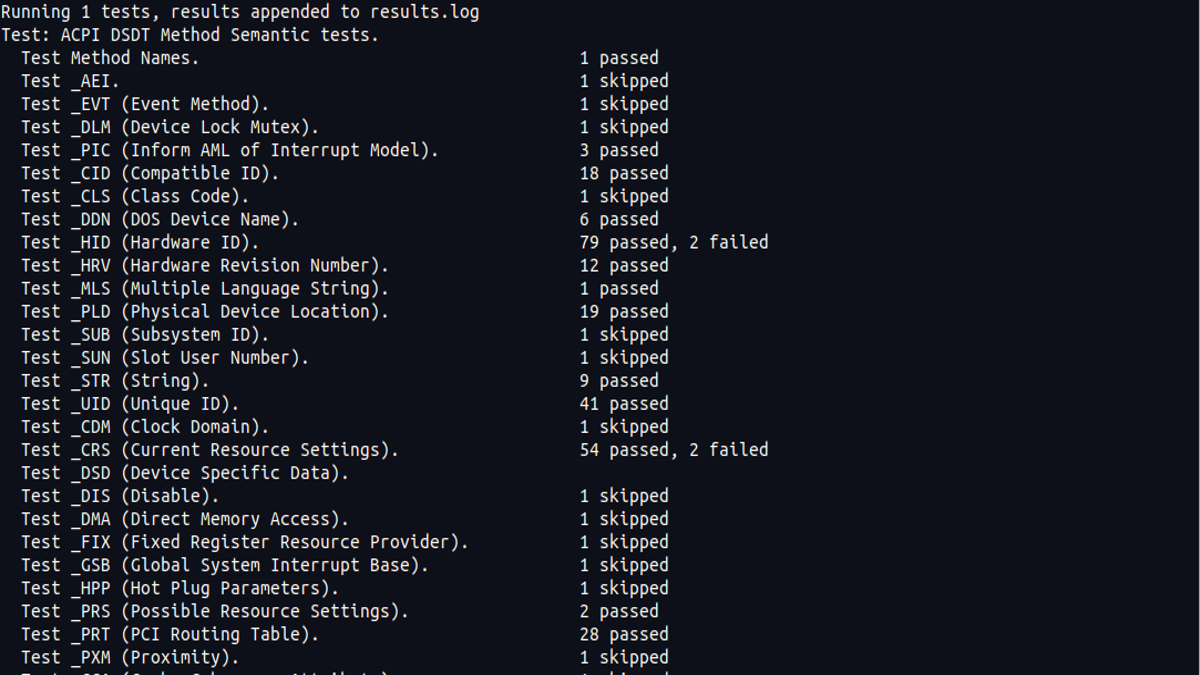
I often need to implement tests for new ACPI tables before they become available on real hardware. Fortunately, FWTS provides a framework to read ACPI tables’ binary. The below technique is especially convenient for ACPI firmware and OS kernel developers. It provides a simple approach to verifying ACPI tables without compiling firmware an

Recently, we published several blog posts, aimed at helping developers enjoy a smoother, faster, more streamlined experience creating snaps. We discussed the tools and tricks you can employ in snapcraft to accelerate the speed at which you iterate on your builds. We want to continue the work presented in the Make your snap development fas

Last week, we published Introduction to snapcraft, a tutorial that provided a detailed overview of the snap build process. We touched on the concepts like snap ecosystem components, snapcraft command line, snapcraft.yaml syntax, and more. We’d like to expand on the first lesson, and today, we are going to talk about parts and plugins, use

First steps are always hard, especially in technology. Most of the time, you need a primer, just the right dose of knowledge, to get started with a platform. This tutorial and upcoming sequels are designed to provide developers with simple, clear and effective tips and tricks on how to build and publish their applications as

I’ve become a huge advocate of using Prettier to format front-end code. Let me explain why. For many years, I’ve spent a considerable amount of time squinting at my code editor and trying to decide if the curly brackets at the top of my screen align with the curly brackets at the bottom of my

“All my centurions develop using snaps.” Julius Caesar By and large, software development can be an enjoyable process. Until you hit the first error, that is. At that point, you want to get past the stumbling blocks as quickly as possible and resume building your apps. A robust, flexible development framework can make a big

My current job involves me mostly working in the upper layers of the desktop software stack however I started out working in what was then called embedded engineering but now would probably be know as the Internet of Things (IoT). I worked on a number of projects which normally involved taking some industrial equipment (radio

Updating the design of the Ubuntu Releases website using Vanilla Framework

Two weeks ago, my colleague Alan wrote an article on how one goes about packaging an application as a snap. The focus of that piece was a handful of tips and tricks that should make the transition from raw code to a working snap easier and more fun. Today, I’ll give you a slightly different

A few weeks ago I joined the web and design team here at Canonical, in the Base Squad, which is our backend team. One of the things that we are responsible for is deploying the code to our different staging and production environments. With multiple features being developed simultaneously, bugs being fixed, and some parts
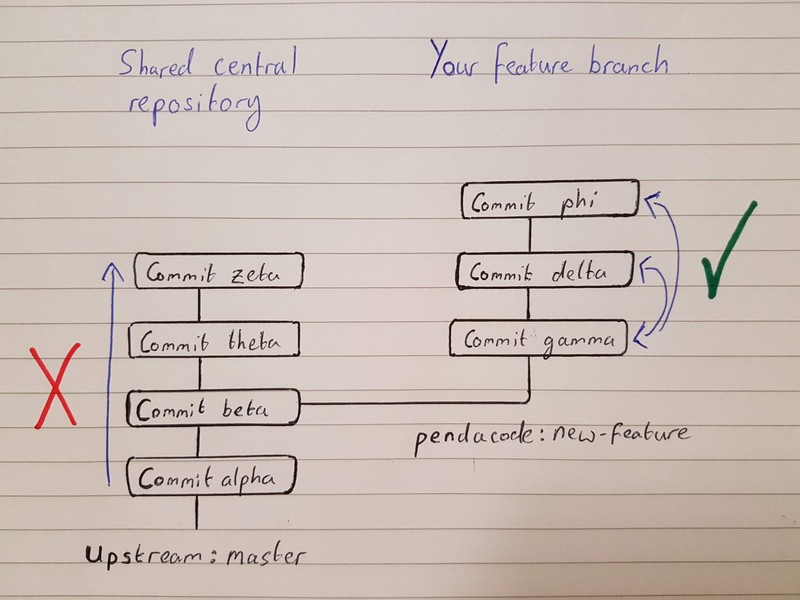
One of the things we’re currently working on in the web and design team is a page about writing Git commit messages for our team practices website (I hope to write more about the practices website itself in the coming days). As part of that discussion, we jotted down some quick tips for managing commit

I recently attended Fullstack 2018, “The Conference on JavaScript, Node & Internet of Things” with my colleagues from the Canonical Web Team in London. Fullstack attempts to cover the full spectrum of the JS ecosystem – frontend, backend, IoT, machine learning and a number of other topics. While I attended a broad range of talks,

In case you missed it, here are some of the snaps we featured during April 2018. Here you’ll find snaps to enhance your productivity, tools for creatives, IDEs for developers and games for the weekend. You can stay up to date with our editorial picks by following @snapcraftio on Twitter where we share three new