
Blog posts tagged "Flutter"
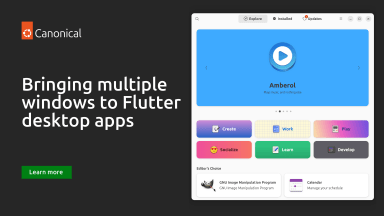
Over the past 5 years, Canonical has been contributing to Flutter, including building out Linux support for Flutter applications, publishing libraries to help integrate into the Linux desktop and building modern applications for Ubuntu, including our software store. Last year we announced at the Ubuntu Summit that we’ve been working on br
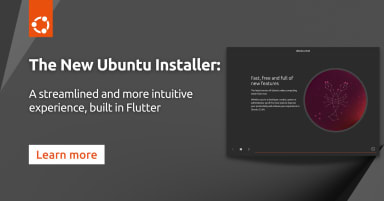
A modern user interface, improved configuration options and a celebration of the mission of Ubuntu Desktop, to make Linux accessible to all.

Flutter 3 features production-ready Linux desktop support for the first time as part of Canonical’s ongoing partnership with the Flutter team.

We cover what Flutter’s latest Firebase announcement means for desktop developers and how to get started with Flutter on Ubuntu Desktop.

At Flutter Engage, Ken VanDine, engineering manager for the Ubuntu desktop, made an appearance in the keynote speech to talk about Flutter on Ubuntu. Canonical has been working to support Flutter for some time now, bringing the SDK to Linux, committing to build a new Ubuntu installer, and now, making Flutter the default choice for
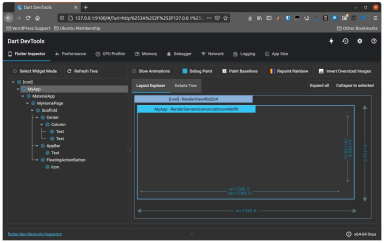
This is a guest post authored by Dani Llewellyn. It was originally featured on her blog, we’re reproducing it here with Dani’s permission. Dani is an active member of the WordPress, WSL, Ubuntu and Snapcraft communities. Thanks Dani! Recently there was an announcement from Ubuntu that the desktop team are working on a replacement for
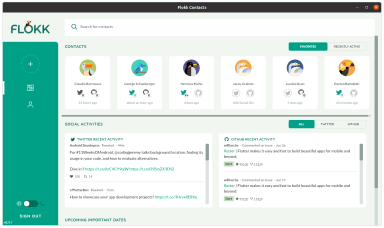
By Chris Sells (Google) & Ken VanDine (Canonical) Google’s goal for Flutter has always been to provide a portable framework for building beautiful UIs that run at native speeds no matter what platform you target. To validate this capability, we started by focusing on the mobile platforms, Android and iOS, where we’ve seen more than