

Canonical
19 May 2026
Canonical launches Ubuntu Core 26
Ubuntu Core 26 introduces precise Linux builds, optimized OTA updates, live kernel patching, and enhanced hardware-backed protection for mission-critical deployments.
May 19, 2026
Today, Canonical announced the general availability of Ubuntu Core 26, its minimal, immutable operating system with up to 15 years of security maintenance.
Ubuntu Core 26 brings key system improvements for mission-critical operations and low-latency AI workloads, through reduced installation times, 90% smaller OTA updates, and precision-led builds via Chisel. As with prior releases, every component is a sandboxed, cryptographically-signed snap, creating a measured boot chain where only verified software runs. With this new long-term supported (LTS) release, Ubuntu Core remains your trusted Linux platform for mission-critical systems, helping you meet requirements for the EU Cyber Resilience Act (CRA) while enabling securely-designed, verifiable, and private AI deployments built on deep software traceability and hardware-based trust.
“Ten years ago, Ubuntu Core pioneered a new OS security model, where every component is strictly confined, transactionally updated, and independently verifiable. Today, that approach is reflected in emerging industry standards. With Ubuntu Core 26, we continue to deliver the foundation that critical infrastructure operators need to meet the Cyber Resilience Act, run attested, immutable edge AI workloads, and manage devices securely at scale.”
Jon Seager, VP of Ubuntu Engineering at CanonicalFaster from installation to update
For critical infrastructure operators managing large fleets of devices over long lifecycles, the cost of software updates and the time required for device provisioning and image installation quickly compound. Ubuntu Core 26 delivers significant improvements across each of these areas.
Ubuntu Core 26 sets a new efficiency benchmark for over-the-air updates. An improved snap-delta format reduces update sizes between 50% and 90% for most snaps. Updates to the Core base snaps drop from 16MB to just 1.5MB in size. These gains are paired with initramfs-based installations that bypass redundant reboots by default, reducing installation time.
“Scaling AI to the extreme edge requires every millisecond of performance and every byte of bandwidth to be used effectively. By integrating Ubuntu Core with our RZ family of MPUs, our joint customers will benefit from accelerated boot times and a significantly reduced base image footprint. These optimizations will enable them to deploy sophisticated AI workloads on highly resource constrained hardware without compromising speed or security.”
Mohammed Dogar, Vice President, Embedded Processing Product Group at Renesas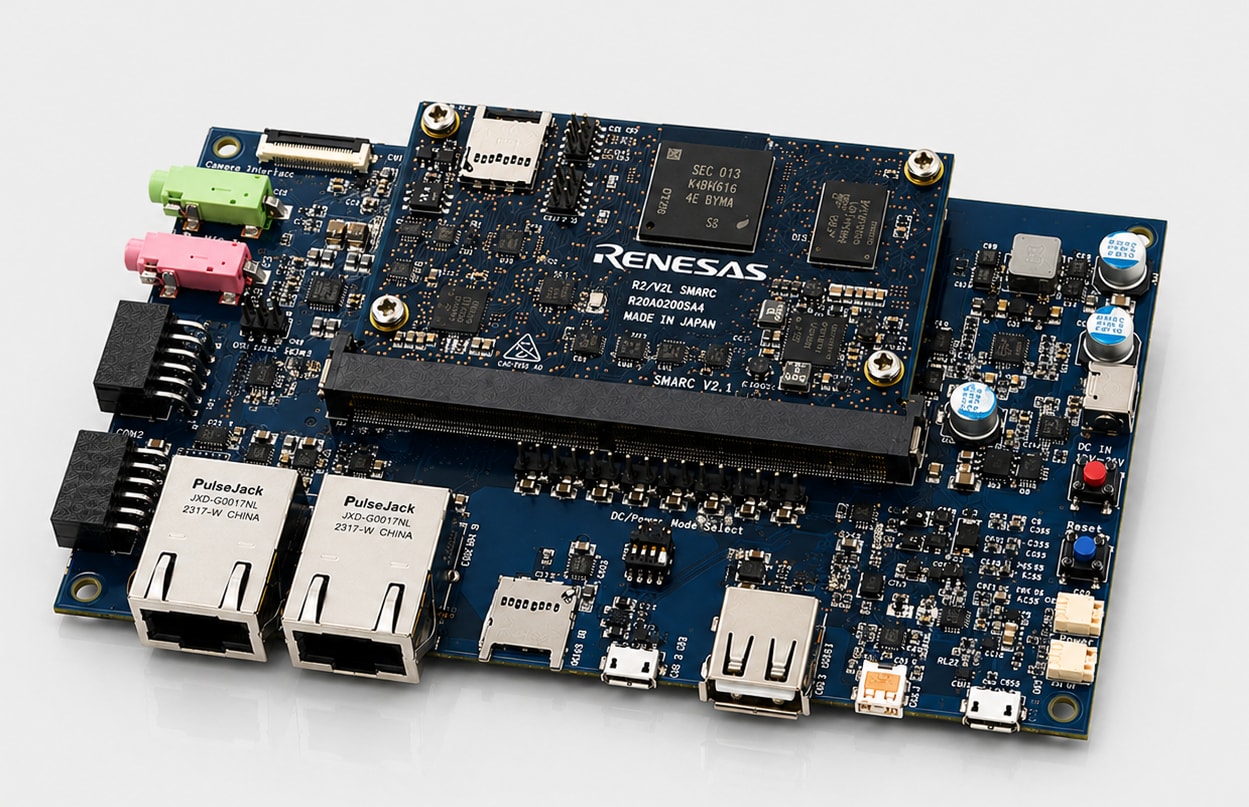
A new era of precision builds with Chisel
Ubuntu Core 26 introduces a new Chisel-based build system that brings precise composition and transforms how future Core base snaps will be assembled. It relies on Canonical’s release-specific package slice definitions, enforcing explicit, traceable dependencies. As a result, every file in the filesystem can be attributed to its originating slice and source package, improving the accuracy of integrity checks and vulnerability triage. This contrasts with approaches like Yocto builds, where provenance and dependency closure are largely implicit in layered recipes and post-processing. The new build system also contributes to a 7% reduction in base image size.
“Ubuntu Core at the edge along with Elementary’s secure cloud services, has enabled factories belonging to some of the largest Fortune 500 companies to take advantage of AI-based vision solutions that provide tremendous value and for the first time bridge the IT/OT networking barrier. The ability to verify every component in Ubuntu Core back to its source, with full transparency and traceability, forms a critical foundation for building verifiably private AI in highly regulated environments.”
Nathaniel Black, Senior Director of DevOps and Security at Elementary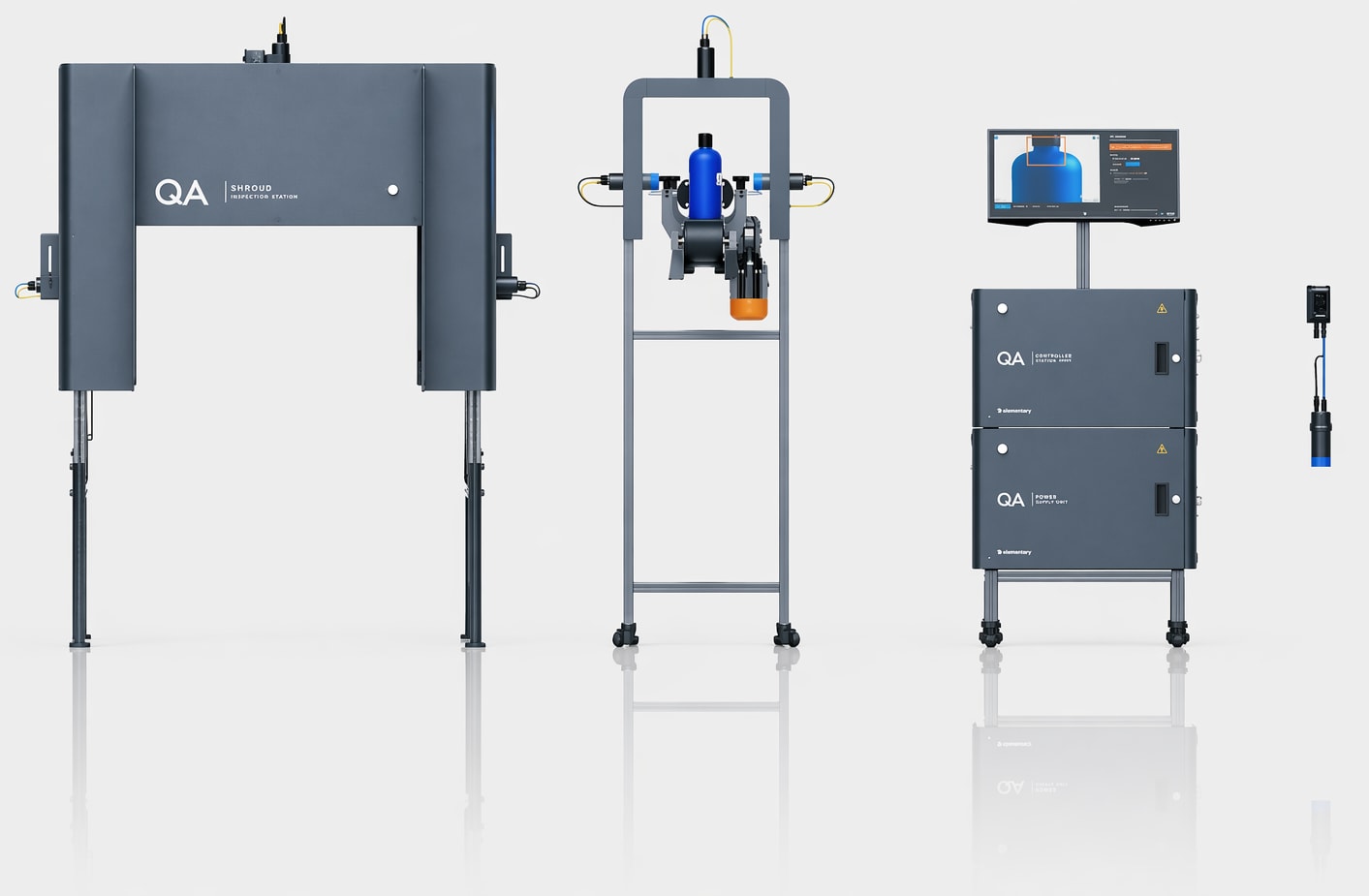
Finally, Ubuntu Core 26 moves u-boot configuration to a single raw partition with redundant environment support. This enables safer, more reliable writes for both u-boot and snapd while removing recovery issues tied to file-based storage.
CRA compliance through hardware-rooted security
The EU Cyber Resilience Act (CRA) requires products to be secure by default, supported over the long term, and backed by clear accountability across the software stack. As with previous releases, Ubuntu Core aligns naturally with these requirements through its design, software traceability, and modular architecture, ensuring well-defined responsibility boundaries across the stack. Canonical assumes Manufacturer responsibilities under the CRA for the operating system’s release cycle by providing security maintenance for its core modules, continuous CVE monitoring and coordinated disclosure, and compliance with IEC 62443-4-1.
Ubuntu Core 26 advances its security approach with foundational changes to Full Disk Encryption, laying the groundwork for evolution in this critical domain. By storing TPM-sealed keys directly within the LUKS2 header, it reduces the risk of key reuse across device states and establishes a foundation for future enhancements. New native OP-TEE integration brings ARM TrustZone hardware-rooted key protection to embedded deployments, sealing and unsealing disk encryption keys through the Trusted Execution Environment and reducing key exposure to the normal operating system.
“EpiSensor develops Virtual Power Plant infrastructure for some of the world’s most demanding environments, helping electricity grids integrate more renewables while balancing supply and demand. We chose Ubuntu Core because it gives us a secure, immutable, and remotely managed foundation for our IoT Gateways. With Ubuntu Core, we can securely and reliably update devices at a global scale, allowing us to adapt to rapidly evolving customer and market requirements.”
Brendan Carroll, CEO at EpiSensor
With the concurrent releases of Ubuntu 26.04 LTS and Ubuntu Core 26, Canonical is significantly expanding the reach of Livepatch to deliver seamless security across your broader infrastructure. Livepatch patches critical and high kernel vulnerabilities between scheduled security patching maintenance windows. For the first time, Livepatch brings its rebootless kernel patching capabilities to ARM64, providing zero-downtime updates for core devices starting with Ubuntu Core 26. Additionally, Livepatch is now officially supported on AMD64 architectures across all releases from Ubuntu Core 20 onwards. This ensures that a wider range of devices can achieve timely vulnerability remediation, an essential requirement for CRA compliance, without operational disruption.
A complete platform for device builders
Every Ubuntu Core release brings improvements to its developer tools, and Core 26 is no exception. These improvements span from new system snaps that speed up device deployment to new features in Snapcraft, the build tool for packaging software in the snap container format.
Ubuntu Frame, Ubuntu Core’s display server for embedding graphical applications now supports multiple graphical applications on a single display, with configurable layouts, custom client placement and a new accessibility launcher. The gpu-2604 interface brings graphics acceleration to Ubuntu Core 26 applications, supported by a new Snapcraft extension for graphics integration.
For fleet observability, Ubuntu Core 26 integrates with the Canonical Observability Stack, a highly integrated, low-ops observability solution built on Juju and Kubernetes. Ubuntu Core streams logs and metrics from the device to centralized Grafana, Loki, and Prometheus infrastructure that can be deployed in the cloud or on-premise, without burdening the device’s primary workloads.
Finally, Snapcraft introduces components, a flexible new way to package and distribute snap application resources. First tested in Ubuntu Core 24 for delivering NVIDIA drivers, this feature is now available to the wider community. It allows snap maintainers to distribute large or optional resources, such as debug symbols, translations, or optional drivers, alongside their main snap without bloating the base installation.
Build your Core image today
- Learn more about Ubuntu Core 26
- Get started with our documentation
- Learn how Elementary scales its AI solution
- Discover how EpiSensor accelerates sustainable energy transition
About Canonical
Canonical, the publisher of Ubuntu, provides open source security, support and services. Our portfolio covers critical systems, from the smallest devices to the largest clouds, from the kernel to containers, from databases to AI. With customers that include top tech brands, emerging startups, governments and home users, Canonical delivers trusted open source for everyone.
Learn more at canonical.com


